

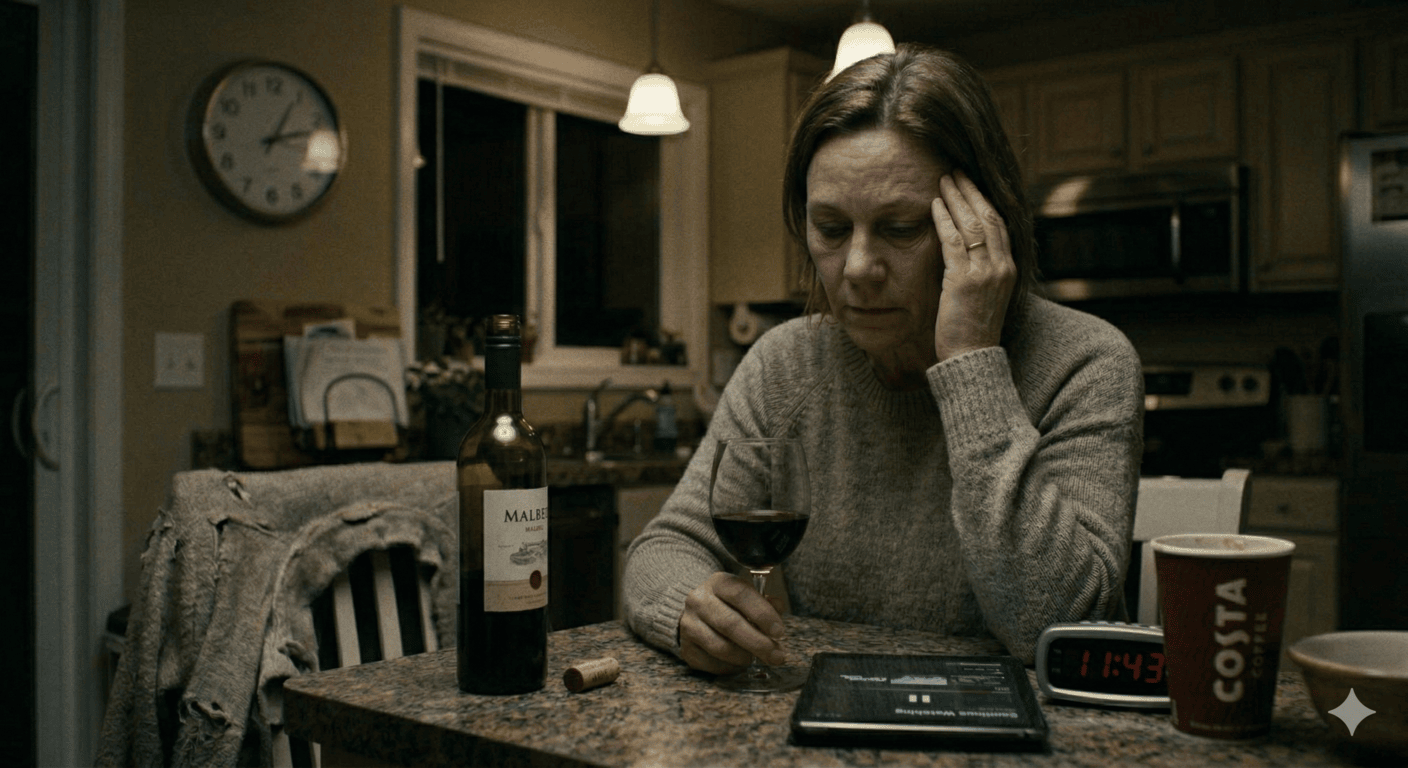
I relapsed twice. The first time was three months in. A bad day at work, a row with my partner, and a voice in my head that said "one glass won't hurt." It wasn't one glass. It was a bottle and a half and a morning of self-hatred so thick I could barely breathe. The second time was eight months in. Christmas. Everyone was drinking and I convinced myself I could be 'normal' about it for one evening. I couldn't.
Why Relapse Isn't Failure
The recovery community says "relapse is part of recovery" and I used to think that was just a comforting platitude. It's not. It's a clinical fact. The relapse rate for addiction is between 40 and 60 percent — roughly the same as for asthma and hypertension. Nobody calls an asthmatic a failure when they have a flare-up. Nobody tells a diabetic they lack willpower. But relapse with addiction? Suddenly it's a moral failing.
Relapse doesn't erase your progress. It just means the road has a bend in it.
What I wish someone had told me after my first relapse: the shame is more dangerous than the drink. The shame tells you to hide it, to give up, to conclude that you're fundamentally broken and this will never work. The shame is the voice that says "see? You can't do this." And if you listen to it, the shame becomes a prophecy.
What Actually Helped
Getting back up was harder than quitting in the first place. But it was also different. The first time I quit, I was running from something. The times after relapse, I was running toward something — a version of myself I'd briefly glimpsed and wanted back. That shift matters. Running from fear is exhausting. Running toward hope is sustainable.
The third time stuck. Not because I was stronger. Because I finally stopped trying to do it alone. I got a sponsor. I went to meetings. I told people when I was struggling instead of waiting until I'd already fallen. Recovery isn't a solo sport, no matter what the motivational posters say.

Comments (0)
No comments yet. Be the first!